
How Long Does Pelvic Floor Therapy Take to Work? Answers from Lady Bird Physical Therapy in Austin
Living with pelvic pain, bladder leaks, or the heavy discomfort of pelvic organ prolapse can feel frustrating and isolating. It is natural to want answers quickly. You want to get back to running, lifting your children, or simply moving through your day without constant worry about your symptoms.
At Lady Bird Physical Therapy, we understand the emotional and physical weight these conditions carry. Whether you are navigating postpartum recovery or managing perimenopausal changes, we are here to provide the expert guidance you need to reclaim your comfort and confidence.
Understanding the Timeline for Pelvic Floor Recovery
Setting realistic expectations is one of the most important steps in your healing journey. Pelvic floor recovery is a process of retraining and rebuilding, not an overnight fix. While the timeline varies for everyone, the goal is always the same: achieving lasting relief and an improved quality of life.
Our team at Lady Bird Physical Therapy focuses on empowering you with knowledge. When you understand why certain symptoms occur, you can take an active role in your recovery, which often leads to more sustainable outcomes.
Factors That Influence Your Progress
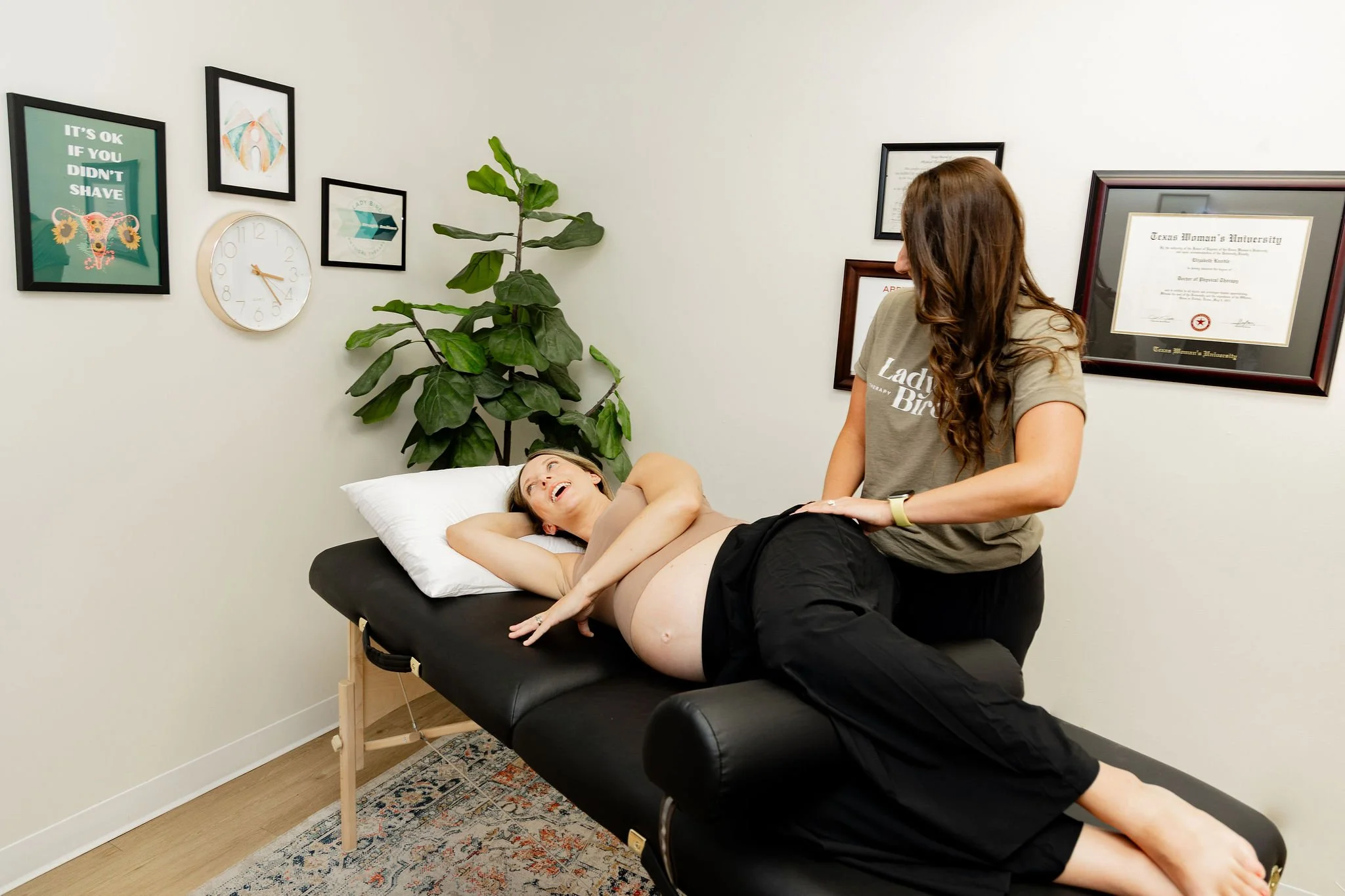
No two bodies are the same, and several factors will shape how quickly you see results from Pelvic Health Physical Therapy.
The complexity of your condition: Addressing mild urinary incontinence may follow a different timeline than managing a complex case of prolapse or coccydynia.
Duration of symptoms: If you have been living with pelvic pain for years, your nervous system may need more time to downregulate and unlearn established pain patterns.
Consistency with your home program: Your ability to stay consistent with prescribed therapeutic exercise plays a significant role in progress. Small, daily movements often produce the biggest shifts over time.
What to Expect in the First Few Weeks
During your first several sessions at our Austin, TX clinic, we focus on a thorough assessment of your movement, breathing patterns, and pelvic function. In these early stages, much of the work involves calming the nervous system and improving the connection between your brain and your pelvic muscles.
This is not simply exercise. It is often a process of relearning how to coordinate your breath, core, and pelvic floor together as an integrated system.
Immediate Benefits vs. Long-Term Changes
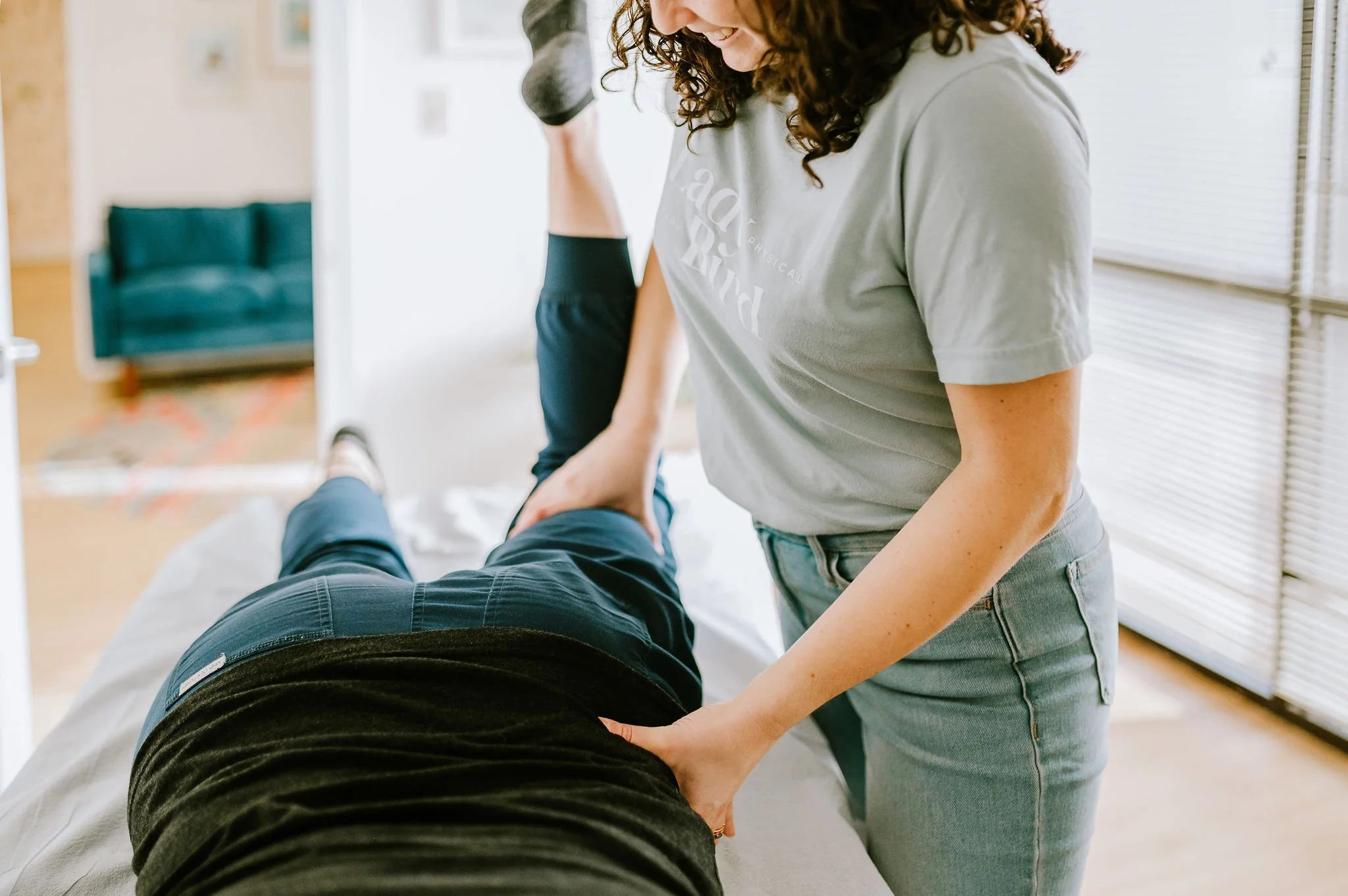
It is common to notice some shifts early in treatment. Through manual therapy techniques such as myofascial release, soft tissue mobilization, and trigger point therapy, we can often provide meaningful relief from muscle tension and acute pain relatively quickly.
However, long-term structural and functional changes take more time. Building true functional strength to manage incontinence or prolapse requires consistent muscle recruitment over weeks and months. Think of it like any other rehabilitation goal: the foundation is laid early, but lasting strength is built over time.
Why Consistency Matters for Lasting Results
True healing from pelvic floor dysfunction requires more than attending your appointments. While our one-on-one sessions provide the expert intervention to get you started, meaningful progress is reinforced in the time between visits.
By integrating new movement patterns, intentional strengthening, habit changes and in many cases, breath work and diaphragmatic training into your daily routine, you are actively building a stronger, more resilient version of yourself every day.
The Role of Manual Therapy and Therapeutic Exercise
At Lady Bird Physical Therapy, we believe in a balanced, evidence-informed approach. Manual therapy is a powerful tool used to address tissue restrictions and facilitate better movement. It creates the conditions for improved function.
Once that foundation is established, therapeutic exercise is what sustains it. Strengthening the muscles of the pelvic floor, hips, and core helps you maintain the gains made during hands-on treatment. This combination is central to effectively managing conditions such as diastasis recti, endometriosis pain, and chronic pelvic pain.
When Will I See Significant Improvement?
While every person's journey is unique, many clients begin to notice meaningful improvements in symptoms and overall function within 4 to 6 weeks of consistent care. For some, the first sign of progress is feeling more connected to and confident in their body, or experiencing fewer episodes of leakage or pain.
Significant management or complete resolution of complex, long-standing conditions may take 3 to 6 months. The goal of Pelvic Health Physical Therapy is not simply to mask symptoms. It is to change how your body functions so you can stay active, strong, and comfortable for years to come.
For those with performance goals, such as a return to running or return to sport, our team can also incorporate a running gait analysis or functional movement assessment to ensure your recovery supports the activities you love most.
Ready to stop wondering and start healing? Lady Bird Physical Therapy in Austin is here to provide the compassionate, trauma-informed care you deserve. Book a free 15-minute consultation today to discuss your unique situation and take the first step toward lasting relief.