

A Handy Guide to Using Your Pelvic Wand
Everything you need to know about using a pelvic wand from Lady Bird PT.
A pelvic wand can be a helpful tool for addressing certain types of pelvic floor muscle tension and tenderness. But like any tool, knowing how and when to use it makes all the difference.
We've put together this guide to help you understand what a pelvic wand does, how to get started, and what to expect along the way.
What is a pelvic wand?
FIRST THINGS FIRST
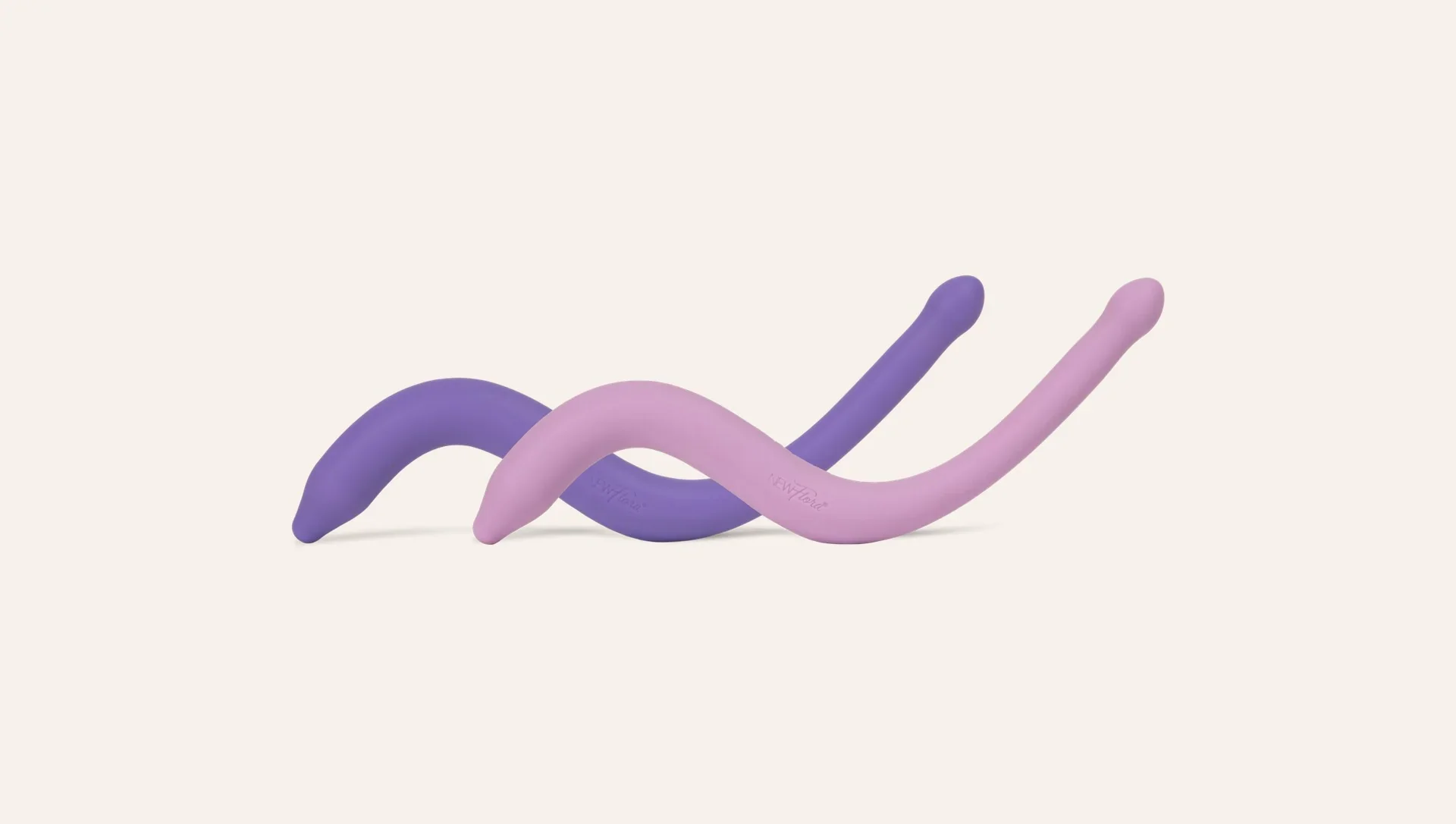
A pelvic wand is a small, curved tool designed to help you access muscles inside the pelvic floor. It allows you to apply gentle, targeted pressure to areas of muscle tension or tenderness that may be difficult to reach with your fingers.
Think of it as a way to give your pelvic floor muscles some of the same deep-tissue attention you might give a tight shoulder or a sore calf.
Pelvic wands come in different shapes, sizes, and materials. Some are made of silicone, while others are made of glass or other body-safe materials. They are designed to make it easier to reach different areas of the pelvic floor, and can be used vaginally or rectally.
What can a pelvic wand help with?
For some people, pelvic wand use may be helpful for managing symptoms associated with pelvic floor muscle tension, including:
Pain with vaginal penetration or intercourse
Pelvic or vaginal pain
Pain with tampon insertion
Tenderness or sensitivity inside the pelvic floor
Certain types of urinary urgency or discomfort
Muscle-related pain that contributes to bowel movement difficulties
A pelvic wand is not a treatment for every type of pelvic pain, and it isn't something everyone needs. The goal is to determine whether your symptoms are related to muscle tension and whether internal self-treatment is an appropriate part of your care.
YOUR PELVIC FLOOR IS ABOUT MORE THAN JUST STRENGTH
Pelvic Floor 101
The pelvic floor is a group of muscles and connective tissues that sit at the bottom of your pelvis. These muscles help support your pelvic organs, contribute to bladder and bowel control, and play a role in sexual function, core stability, and overall movement.
Just like any other muscle groups, your pelvic floor muscles can become tense, tender, or sensitive.
Sometimes, these muscles have difficulty relaxing completely. They may remain partially contracted even when you're not intentionally using them. This can contribute to pain, pressure, urinary symptoms, bowel symptoms, and discomfort with penetration.
Here's something important to understand:
Tight doesn't necessarily mean strong.
Your pelvic floor needs to be able to contract, relax, lengthen, and coordinate with the rest of your body. A muscle that is constantly working overtime may actually have a harder time doing its job.
That's where a pelvic wand may come in. It can help you apply gentle pressure to certain areas of muscle tension while practicing relaxation.
And remember: your pelvic floor doesn't work in isolation. Your breathing, abdominal muscles, hips, back, and nervous system all play a role, too.
A Few Things To Know Before You Get Started
BEFORE YOU BEGIN
A pelvic wand can be a helpful tool, but it's important to know when and how to use one.
Get the right guidance
Ideally, work with a pelvic floor physical therapist first. They can help determine whether a wand is appropriate and show you which areas to address.
Check in with your provider
If you're pregnant, recently had surgery or a procedure, or have an active infection, unexplained bleeding, or irritated or healing tissue, get medical guidance before internal use.
Have the right supplies
Choose a lubricant compatible with your wand. Water-based lubricant is often a good starting point, but check the manufacturer's instructions.
Make yourself comfortable
Find a quiet space where you can relax, take your time, and stop whenever you need to. Clean your wand according to the manufacturer's instructions and don't share it.
READY TO GET STARTED?
How To Use Your Wand
Using a pelvic wand can take a little getting used to. There's no need to rush or get everything perfect. These are general guidelines; your physical therapist's instructions should always come first.
Find a comfortable position
Choose a position that allows your belly, hips, and pelvic floor to relax. You might lie on your back with your knees bent, lie on your side, or recline with support.
01
Apply lubricant
Apply a generous amount of lubricant to the wand and the vaginal or rectal opening. This helps reduce friction and makes insertion more comfortable.
02
Insert gently
Slowly guide the wand into the vagina or rectum using the technique your physical therapist demonstrated. Never force insertion or push through pain.
03
Find the areas you've discussed with your PT
Your physical therapist can help identify specific muscles or areas of tension that may benefit from gentle pressure. You don't need to explore every area or find every tender spot.
04
Pause, breathe, and relax
If you've been instructed to apply pressure to a particular area, use gentle, sustained contact. Keep breathing and allow your pelvic floor to soften. Your PT can guide you on how much pressure and how long to hold.
05
Release and check in with your body
Slowly release the pressure and remove the wand gently. Notice how your body feels. If you experience lingering discomfort, irritation, bleeding, or worsening symptoms, stop and check in with your healthcare provider.
06
Reminder:
Gentle, targeted work is more useful than aggressive pressure. If you're holding your breath, tensing up, or bracing against the wand, it's time to ease up.
COMFORT MATTERS
Positions You Can Try
Finding a position where you can relax is an important part of using a pelvic wand. You want your hips, belly, and pelvic floor to feel as relaxed as possible. Here are a few positions to try:
On your back
Lie on your back with your knees bent and feet resting on the surface. A pillow under your head or knees may help.
On your side
Lie on your side with your knees comfortably bent. A pillow between your knees can provide extra support.
Reclined
Prop yourself up with pillows so your upper body is supported and your legs can relax.
There's no one right position.
Experiment with what feels most comfortable for your body. If you're having trouble relaxing or reaching the areas your PT identified, ask them to help you find a position that works.
PAIN IS NOT THE GOAL
What To Expect
You might notice some pressure or mild tenderness, especially if you're working with an area your physical therapist has identified as sensitive. But using a pelvic wand should never feel like a pain tolerance test.

Comfortable pressure
Gentle pressure or mild tenderness that you can breathe through and relax into, following your PT's guidance.

Time to ease up
You notice yourself holding your breath, clenching, tensing, or feeling increasingly uncomfortable. Reduce the pressure or reposition.

Time to stop
Sharp, burning, or worsening pain, bleeding, or discomfort that lingers afterward. Stop using the wand and check in with your healthcare provider.
A few things to keep in mind:
More pressure isn't better. Gentle, targeted pressure is enough.
Keep breathing. If you find yourself holding your breath, take a break and let your body relax.
You don't need to chase tenderness. Not every sensitive area needs to be treated.
Pay attention afterward, too. How you feel later is just as important as how you feel during use.
Your body gets a vote.
You are always allowed to pause, adjust, or stop. The goal is to help your body feel more comfortable, not to push through discomfort.